Why does Hollywood ruin literature’s best characters?
What Kenneth Branagh has done to Poirot borders on literary mutiny
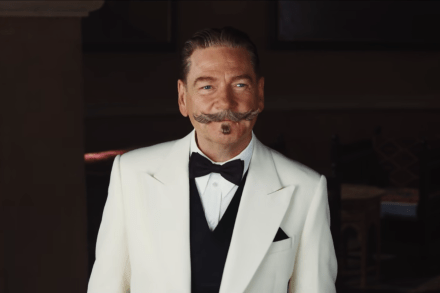
What Kenneth Branagh has done to Poirot borders on literary mutiny
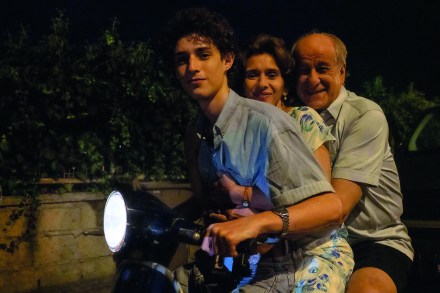
The Hand of God reviewed
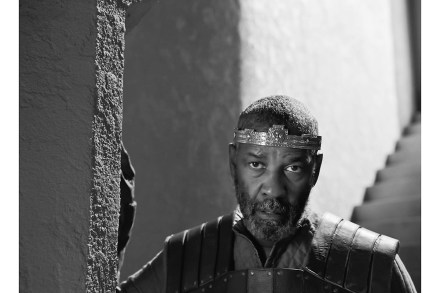
The Tragedy of Macbeth reviewed
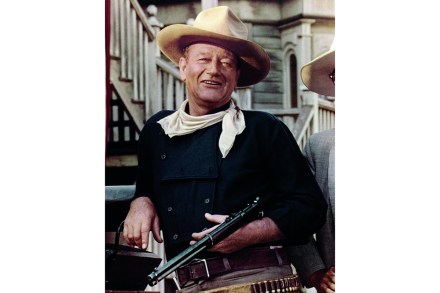
The Seventies weren’t John Wayne’s decade, and that was fine by him
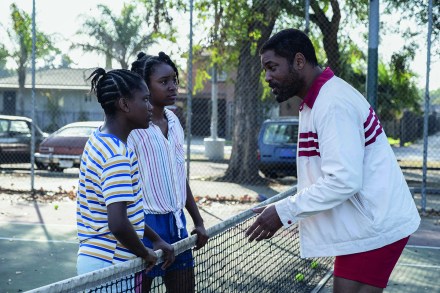
King Richard reviewed
He lent ‘A Hard Day’s Night’ the spirit of untamed frivolity

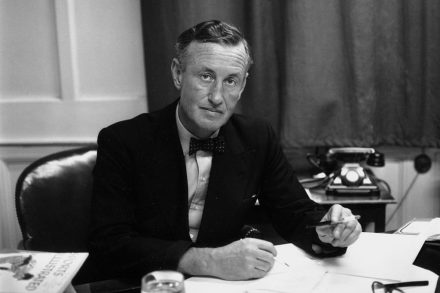
James Bond was first a literary hero
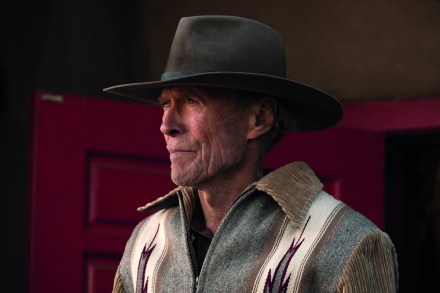
Cry Macho reviewed
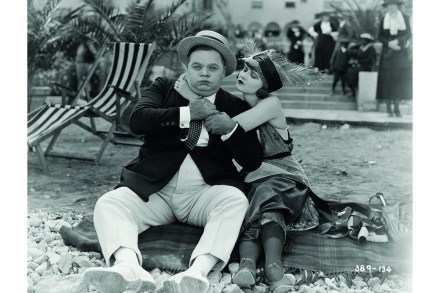
Arbuckle was an accidental pioneer of cancel culture
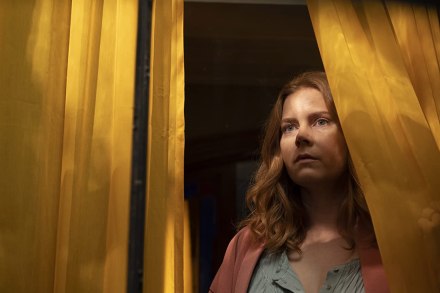
The Woman in the Window reviewed
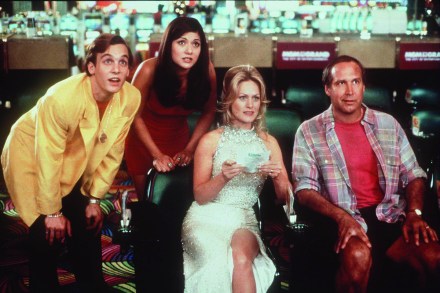
The enduring popularity of the Vacation series reflects not just the American appetite for travel, but also that old American virtue of gung-ho optimism
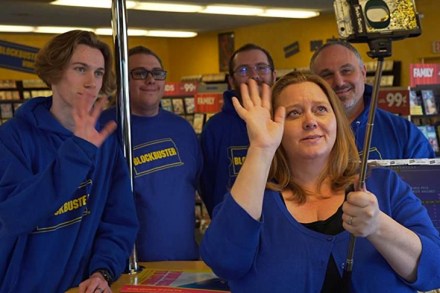
Video killed the video store
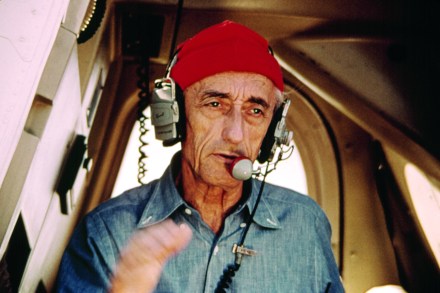
For Cousteau, scientific investigation, combined with the potential for good image-making, presented an unavoidable hazard to sea life
One hundred years on from the seminal Chaplin flick

What Todd Phillips’s film tells us about protest movements

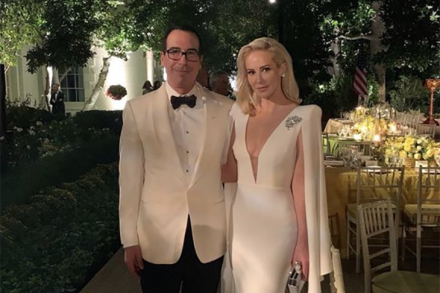
I married a politician. But my identity is not defined by my husband
Another piece of elite idiocy in The New York Times
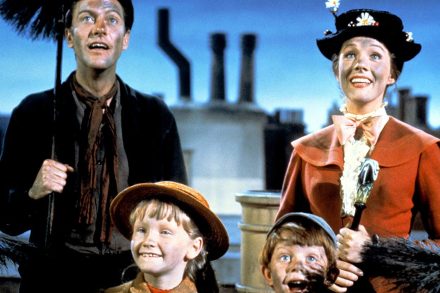
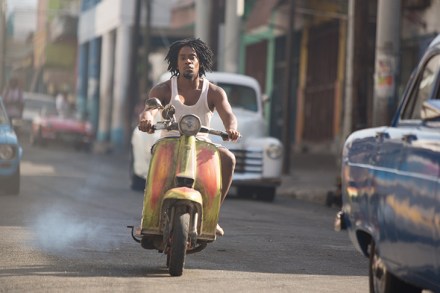
Yardie is Idris Elba’s first film as a director and what I have to say isn’t what I wanted to say at all. I love Elba and wanted this to be terrific. I wanted him to be as good from behind as he is from the front, so to speak. I wanted this to absolutely smash it as a narrative about the Jamaican-British experience as there have been so few. But, alas, it is a disappointment. It is patchy. It’s not paced excitingly. The characters are insufficiently drawn. And I struggled with the thick Jamaican patois, I must confess. I was often muddled, yet whether it was due to that
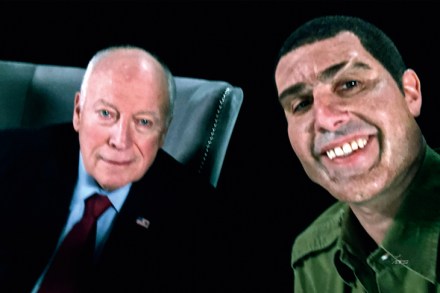
Sacha Baron Cohen’s latest series Who Is America? isn’t funny. But then, nor was his terrible 2016 movie The Brothers Grimsby. Nor was his rubbish 2012 film The Dictator. Nor, let’s be honest, were his classic original characters Borat, Brüno or even Ali G. Obviously, they had their moments: the ‘mankini’ — that bizarre, electric green, giant-thong-like swim wear worn by Borat; the classic late-Nineties catchphrase ‘Is it because I is black?’ And sure it must have taken some nerve — even in character — to explain to a clearly impatient and unimpressed Donald Trump his business plan for some anti-drip ice-cream gloves. But how often, even at his best,
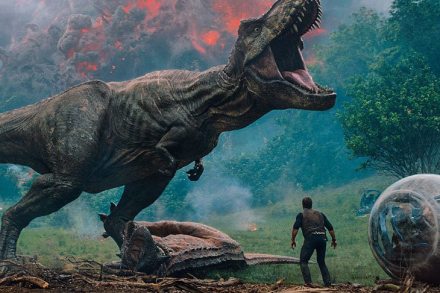
Back in the mists of prehistory, when I was eight, dinosaur films followed a set pattern. The dinosaurs themselves would be cheerfully unpalaeontological; women would wear improbable outfits; volcanoes would explode. Then, in 1993, courtesy of Steven Spielberg, came a sea-change. Jurassic Park was that cinematic rarity: a science fiction film that succeeded in influencing the science it was fictionalising. The story of a theme park populated by resurrected dinosaurs, it offered a portrayal of Mesozoic fauna that was as close to authentic as could then plausibly be achieved. For the first time, computer-generated imagery was used to portray dinosaurs as scientists had come to envisage them: agile, bird-like, smart.